Caring for a cat means more than food and affection. Good health planning helps ensure your cat lives a long, comfortable and happy life. From registering with a vet to ongoing preventative care, a little preparation makes a big difference.
At Douglas Cat Sanctuary, we encourage adopters to think ahead — so that if the unexpected happens, your cat can always receive the care they need.
Register With a Vet As Soon As Possible
It’s important that your cat is registered with a local veterinary practice shortly after adoption, even if they appear healthy. Being registered ensures you can access advice quickly if concerns arise and allows your vet to build a relationship with your cat from the outset.
- Register with a vet local to your home
- Arrange an initial health check if recommended
- Keep vaccination and treatment records up to date
Vaccinations and Parasite Prevention
Routine preventative care plays a vital role in protecting your cat’s long-term health.
- Annual vaccinations help protect against serious and potentially life-threatening diseases
- Quarterly flea and worming treatments are recommended year-round
- Your vet can advise on the most suitable products for your cat’s lifestyle
Even indoor cats can be exposed to parasites, so regular prevention remains important.
Ongoing Health Checks
Regular health checks help identify problems early and keep your cat feeling their best. We recommend annual check-ups for all cats, with more frequent visits for senior cats or those with known medical needs.
- Weight and body condition monitoring
- Dental health checks
- Coat, skin and mobility assessments
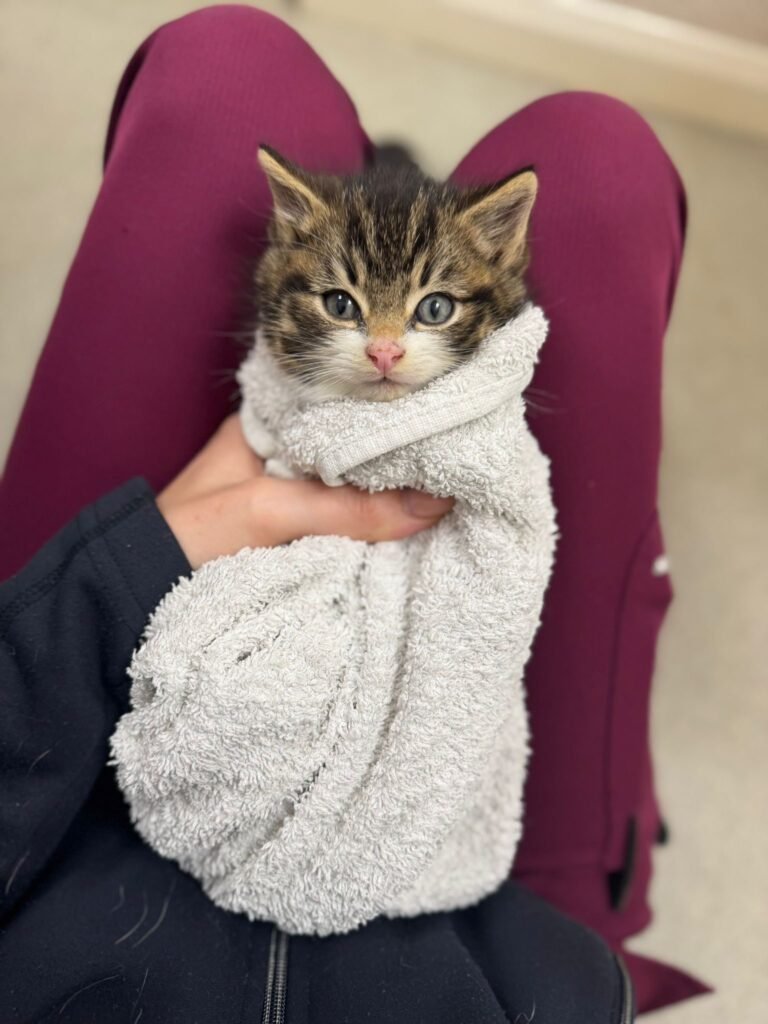
Pet insurance and financial planning
Veterinary care has advanced significantly in recent years, but treatment costs can add up quickly. Pet insurance helps ensure that financial concerns don’t limit the care your cat can receive.
We strongly recommend arranging insurance as soon as possible after adoption and choosing a level of cover that suits both your cat’s needs and your circumstances.
Key considerations
- Lifetime policies usually offer the most comprehensive protection
- Check cover limits for illness, injury and ongoing conditions
- Understand excesses, exclusions and renewal terms
Typical Veterinary Costs to be Aware of
Costs vary by practice — these figures are a general guide
- Annual vaccinations: £50–£80
- Flea & worming (per year): £100–£150
- Dental treatment: £300–£800+
- Emergency surgery: £1,000–£4,000+
- Diagnostic tests (bloods, imaging): £150–£600+
Insurance can make a significant difference when unexpected treatment is needed.
Our Support Doesn’t end at Adoption
We know each of our cats well and are always happy to offer guidance after adoption. If you’re unsure about health concerns, changes in behaviour, or veterinary decisions, please don’t hesitate to get in touch.